

目次
Three Characteristics of the Central America Wood Market
In a market like this, one more factor matters just as much: the relationship between exporters and their local partners.
The Traditional Structure and Its Limits
In many cases, exporters simply supply products while local partners sell them — a straightforward division of labor. But this structure separates responsibility, and market growth tends to stay limited to individual optimization.
The Concept of Alignment
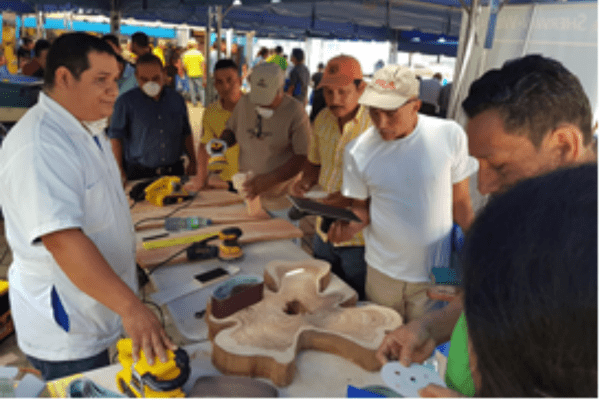
What actually works in the field is a relationship where both sides face the market in the same direction. Sharing challenges, pursuing improvement together, and taking joint responsibility for growth — this is what we call Alignment here.
In this market, communicating how to use a product — and organizing the process around it — matters more than simply selling it. This work cannot be done by either side alone.
When Relationships Change, Markets Change
Once Alignment is achieved, the focus shifts from short-term negotiation to long-term market building. The result is continuous improvement and stable demand.
Conclusion: Looking Back at the Series
Making improvement stick in the Central American market depends on Alignment — exporters and local partners facing the same direction. Simply supplying a product isn't enough; only by sharing how to use it and staying engaged with the realities on the ground does improvement actually take hold.
Rather than a one-way push, both sides need to share the same goal and keep the dialogue going as they engage with the market. That relationship is what ultimately underpins sustainable growth in the Central American polishing market.
No,516