

目次
What We See in the Field
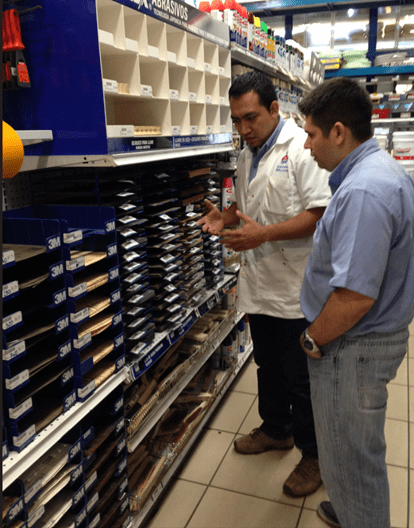
Visit a home center in Central America, and you'll find a scene somewhat different from what you'd see in Japan. Alongside paints and tools, a wide variety of abrasives line the shelves, and customers pick them up, comparing options as they consult with sales staff.
What's interesting is that these customers aren't only general consumers — professionals in work uniforms are mixed in among them. Even more distinctive is the role of the sales staff. Rather than simply stocking shelves, they explain how to choose and use products for specific applications, and in some cases even visit customers' worksites to give hands-on demonstrations. The home center functions not only as a place to sell, but also as a place to teach.
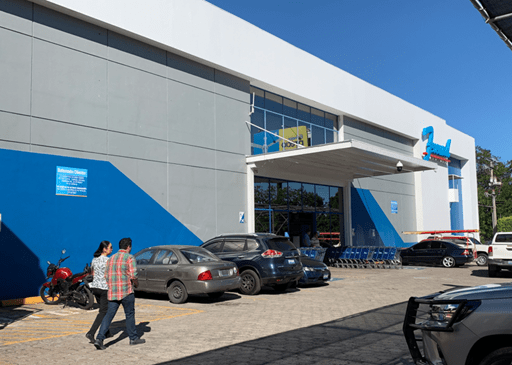
A home center in Central America — functioning not merely as a sales floor, but as a place for teaching how products are used.
The Difference from Japan
In Japan, home centers are generally seen as a channel for casual, DIY-oriented users. Professionals typically procure their supplies through specialized distributors or dealers, and the two channels are clearly separated.
In Central America, however, this divide is much less clear. Home centers cover an extremely broad range of customers — from household DIY use to small businesses, and even professionals working in auto repair or woodworking — all within a single channel. As a result, beginners and skilled professionals end up comparing the very same products on the very same shelf.
That said, in recent years some home centers in Japan have expanded their "pro shop" format. Aimed at tradespeople in construction, facilities, and electrical work, some stores now open earlier, offer stronger on-site support, and staff their tool and work-supply sections with knowledgeable sales staff. Especially in the tools and work-supplies category, the emphasis is shifting from simple sales toward proposing applications and understanding the customer's worksite. In that sense, some aspects are beginning to resemble what's already happening at Central American home centers.
Why It Happens: The Structural Background
This phenomenon rests on several structural factors.
Implications: What Determines the Value of Abrasives
In an environment like this, the value of an abrasive isn't determined by performance alone. Three factors matter most:
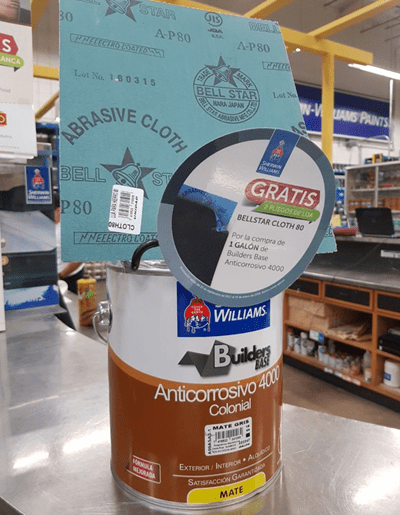
Central American home centers function not merely as a distribution channel, but as a mechanism that shapes the market itself. It's within this mechanism that abrasives truly gain their practical value.
It's not performance alone, but consistency, ease of explanation, and immediate effect that determine an abrasive's value in the market.
No,517