

目次
1. What We See in the Field
In Central American home centers and paint shops, the role of the salesperson on the floor differs greatly from that in Japan. When a customer pauses in front of the abrasives shelf, the salesperson approaches right away, asks about the intended use, and proposes products accordingly.
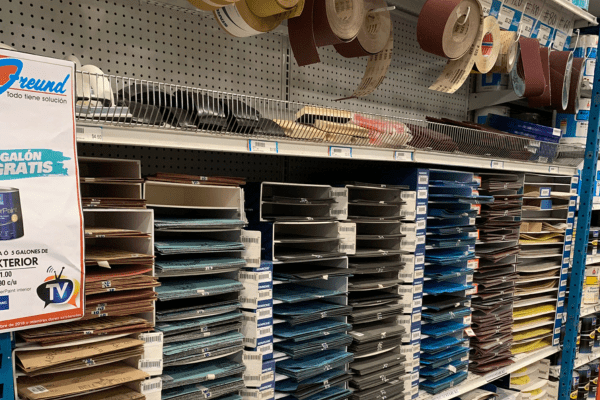
As the conversation develops, it's common for the salesperson to say, "Let's actually try it," and later accompany the customer to their work site. Demonstrations — at the store or on-site — happen repeatedly, week after week. Each individual event may be small, but they add up through continuous repetition.
The salesperson is not simply someone who explains a product; they function as someone who "conveys how to use it."
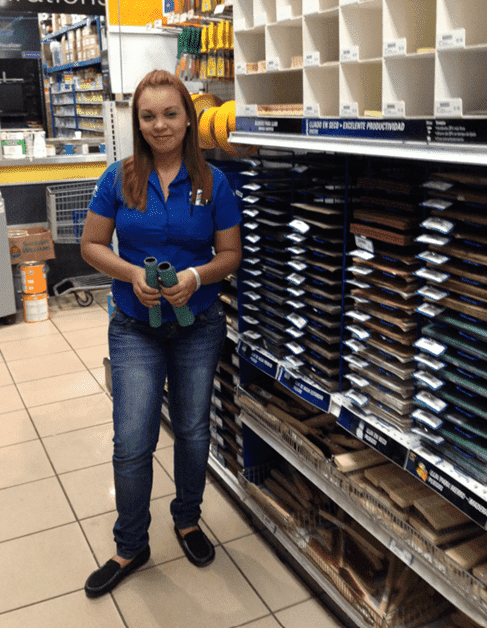
(Salespeople are expected to have deep product knowledge and the ability to explain it to customers.)
2. How This Differs from Japan
In Japan, the roles of salesperson and technical staff are generally separate. In recent years, at professional-oriented home centers and pro shops, more salespeople themselves have gained deep knowledge of tools and work materials and now offer usage suggestions. In the industrial abrasives sector, however, sales through specialized trading companies and tool distributors remains the norm.
Salespeople mainly handle orders and delivery, while specific usage guidance and process explanations are more often handled by manufacturers or technical sales staff.
In the Central American market, by contrast, the following functions are concentrated in a single salesperson.
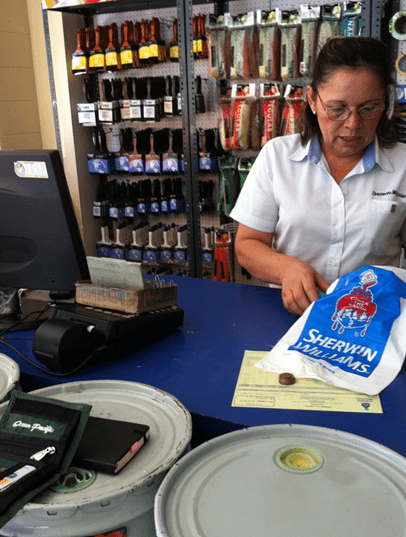
3. Why Does This Happen? — The Structural Background
This difference in roles stems from differences in market structure.
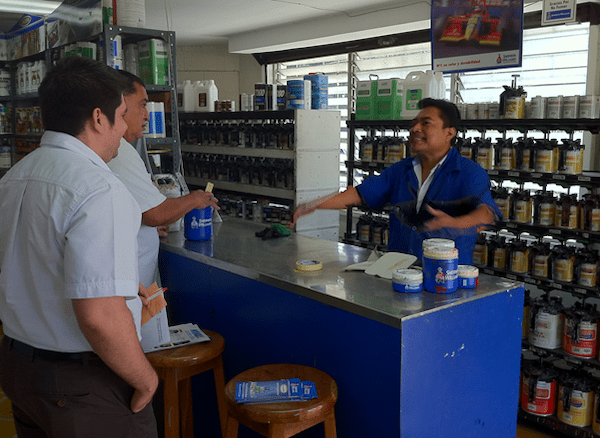
(The essence of selling lies not in persuading the customer, but in explaining carefully.)
4. Implications: What Moves the Market
In an environment like this, the market isn't moved by product superiority alone. Three things matter most:
Only when all three come together does the true value of a product get communicated. The role of the salesperson isn't just a part of distribution — it's a factor in shaping the market itself.
No,518