


目次
1. What We See in the Field
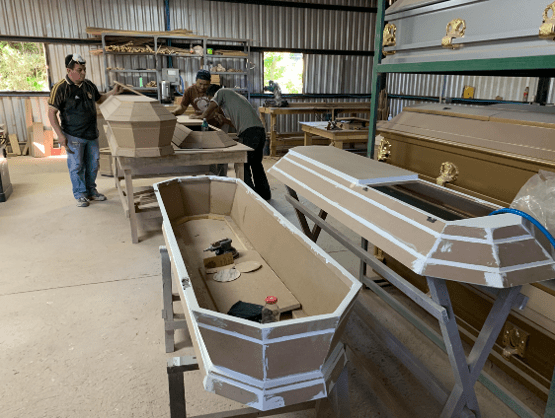
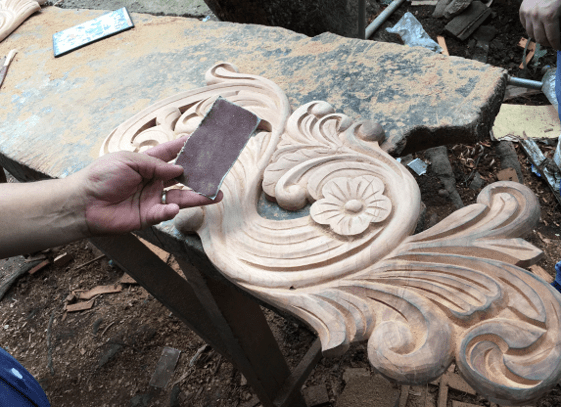
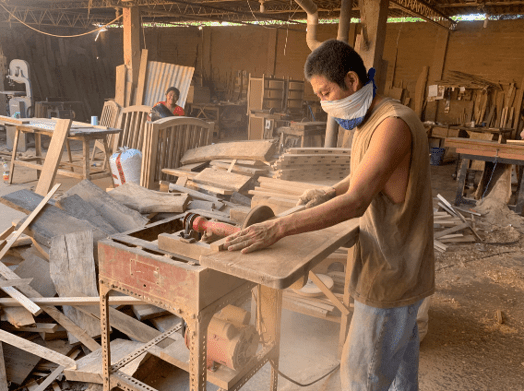
In the Central American abrasives market, deals are rarely closed through storefront explanations alone. Sales representatives accompany customers to their actual work sites and demonstrate the abrasive on real workpieces. There, the workers themselves pick up the tools and check the finish and feel of the work for themselves. These demonstrations happen as a matter of course.
A single demonstration doesn't move large volumes. But as similar small opportunities repeat again and again, adoption gradually spreads.
This process isn't efficient. Even so, it remains an indispensable step in this market.
2. Differences from Japan
In Japan, comparisons are often driven by product specifications and performance data. Selection generally proceeds based on catalogs and track records, with evaluation testing carried out as needed.
In Central America, on the other hand, several factors combine:
As a result, hands-on experience on-site becomes the basis for judgment.
3. Why This Happens — The Structural Background
This difference stems from the structure of decision-making itself.
4. Implications: What It Takes for a Product to Take Root in the Market
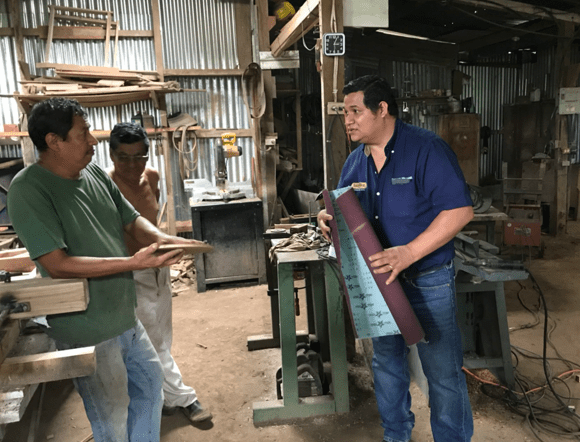
In this kind of market, the value of a product is only conveyed through experience. That's why not just high performance, but ease of use and consistency of results are what matter most. Two points are essential:
・Designs that assume reproducibility in the field ・A process to actually confirm that reproducibility on-site
Only when both are in place does a product take root in the market.
No,519