

目次
1. What We See in the Field
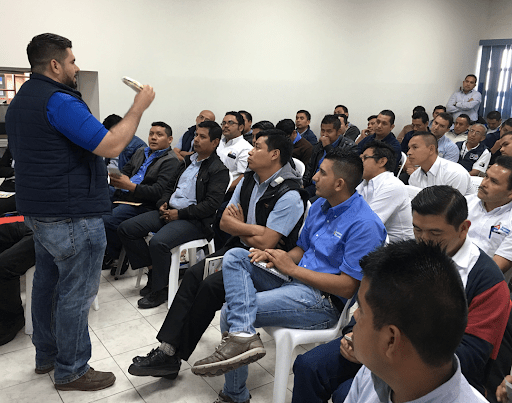
Watching how the adoption of abrasives spreads in a particular Central American market, one notices a common pattern. Markets don't shift because a single product suddenly sells in large volume — they shift through the gradual accumulation of small-scale adoption over time.
A product is tried in one workshop, then used again in another. Through this repetition, ways of using it are gradually shared.
This change isn't dramatic, but it steadily takes root in the market.
2. Differences from Japan
In Japan, the introduction of new products and shifts in the market can happen relatively quickly. Existing distribution channels and information networks allow performance and track records to be shared, driving adoption at a certain pace.
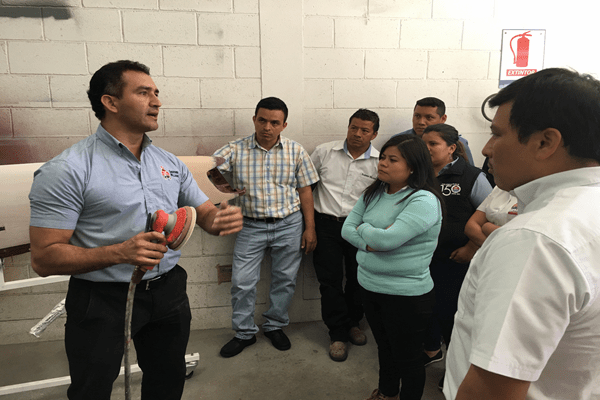
In markets like Central America, on the other hand, change proceeds more gradually, for reasons such as:
3. Why This Happens — The Structural Background
This difference stems from how the market itself is formed.
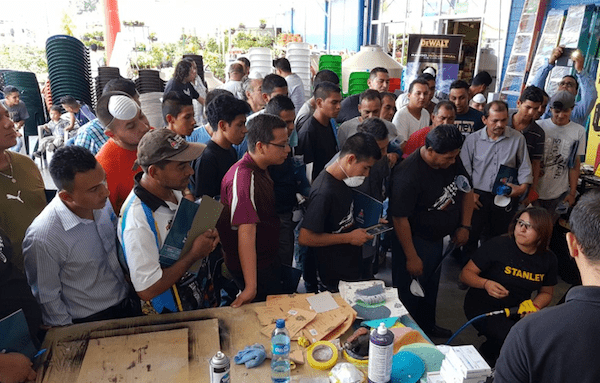
In recent years, even in Japan, the expansion of specialty pro-shop formats and the growing importance of "on-site, consultative selling" — something e-commerce struggles to replace — have become more pronounced. Even though market environments differ, the following elements are consistently important to market formation:
4. Implications: How Abrasives Take Root in a Market
The value of an abrasive product doesn't stand complete on its own. It only takes on real meaning once how to use it is communicated, results are shared, and that knowledge is reproduced within a web of relationships.
A market isn't a collection of products — it's a structure that exists within relationships between people. Within that structure, abrasives are positioned as one element supporting the process.
No,520